Eric King
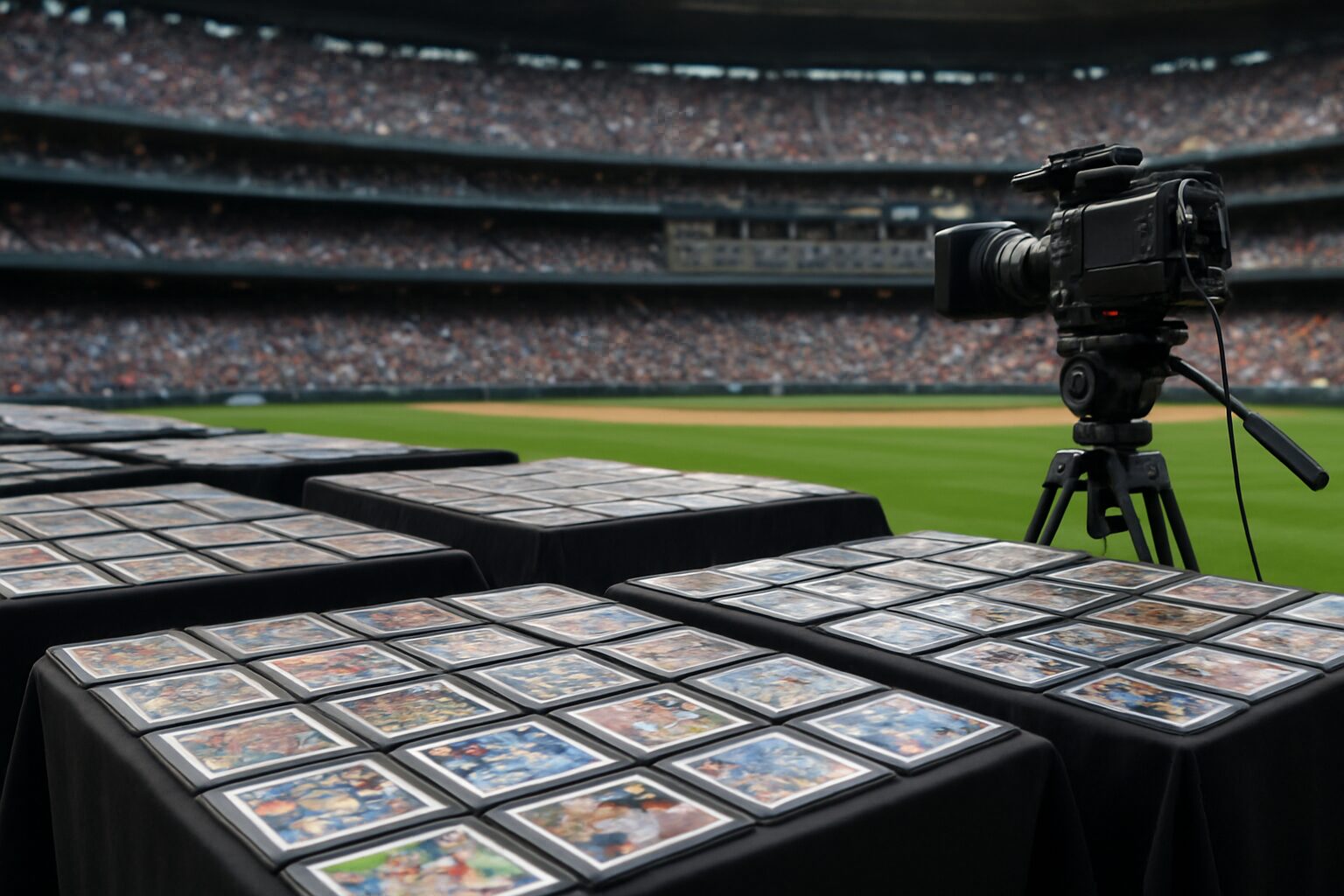
Attending a card show for the first time can feel overwhelming. Rows of tables, thousands of cards, and a room full of passionate collectors create an environment that rewards preparation. Understanding how these events work—and what to expect—transforms a potentially confusing experience into an incredibly rewarding one. Collectors searching for card shows near me will often find that local events reflect the preferences of the surrounding community.
Jump To
- What Types of Cards Are Typically Available at Card Shows?
- How Are Card Shows Typically Organized?
- What Makes a Card Show Different from Buying Online?
- How Can Collectors Prepare for a Card Show?
- How Frequently Do Card Shows Occur?
What Types of Cards Are Typically Available at Card Shows?
The inventory at card shows spans a broad range of categories. Sports cards remain the dominant category, covering major leagues and spanning decades of production. However, many shows also feature trading card games, non-sport cards, autographed memorabilia, and graded slabs certified by professional grading services.
A city with a strong baseball culture, for example, may have shows heavily weighted toward baseball cards, while other regions may attract larger gaming card communities.
How Are Card Shows Typically Organized?
Most card shows follow a straightforward layout. Vendors are assigned table spaces, which they fill with inventory displayed in binders, cases, boxes, or single-card displays. Some dealers specialize narrowly—focusing exclusively on one sport or era—while others carry broad, diverse inventory.
Entry fees, where applicable, are generally modest and often waived for younger attendees. Show organizers typically provide maps or vendor directories at the entrance, helping collectors navigate efficiently.
Larger shows may also feature guest signers—athletes or personalities who sign autographs for attendees—as well as door prizes, giveaways, and special exhibits.
What Makes a Card Show Different from Buying Online?
The differences are meaningful and extend beyond the obvious. Online marketplaces prioritize convenience, but they eliminate several elements that many collectors find essential.
Condition verification is one of the clearest distinctions. Raw, ungraded cards can look dramatically different in person compared to photos. The ability to hold a card under proper lighting, examine corners and edges, and assess surface quality provides a level of confidence that images cannot match.
Community interaction is another dimension entirely. Card shows create opportunities for collectors to exchange knowledge, share opinions on current market trends, and meet people who share the same passion. These conversations often lead to trades, referrals, and long-term connections within the hobby.
Speed of transaction also differs. A deal that might take days of messaging and shipping online can be completed in minutes at a show.
How Can Collectors Prepare for a Card Show?
Preparation separates productive visits from unfocused ones. A few practical steps make a measurable difference.
Researching vendors in advance is valuable when organizer websites publish participant lists. Knowing which dealers will be present allows collectors to prioritize their time and arrive with targeted questions.
Setting a clear budget prevents overspending in the excitement of the moment. Many collectors find it helpful to allocate separate budgets for planned purchases and spontaneous finds.
Bringing supplies such as binders, penny sleeves, top loaders, and a small bag ensures purchased cards are protected immediately and transported safely.
Arriving early remains the single most consistent piece of advice from experienced show attendees. The best inventory at every table moves first.
How Frequently Do Card Shows Occur?
Card shows vary considerably in frequency depending on the region. Major metropolitan areas often host multiple events each month, ranging from small local shows at community centers to large regional conventions attracting vendors from across the country. Smaller cities may have monthly or quarterly events organized by local hobby clubs.
Staying connected to local collector networks ensures that upcoming events are never missed. Following organizers on social media and subscribing to hobby newsletters are two of the most effective methods for staying informed.
Key Points
- Card shows typically feature a range of card categories, with sports cards being the dominant category.
- Vendors at card shows display inventory in various formats such as binders, cases, and boxes, with some specializing in specific sports or eras.
- Unlike online purchases, card shows allow collectors to verify the condition of cards in person, enhancing buyer confidence.
- Preparation for attending card shows includes researching vendors, setting a clear budget, and bringing protective supplies for purchased cards.
- Card shows can vary in frequency, with major metropolitan areas often hosting multiple events each month compared to smaller cities that may have monthly or quarterly shows.